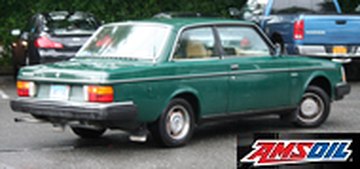
Maintenance Guidance for the 1983 Volvo 242 2.3L
Maintaining an older vehicle requires consistent attention to fluid levels and component health. For the 1983 Volvo 242 with the 2.3L engine, focusing on the cooling system and lubrication processes helps manage the long-term operational state of the engine.
What coolant does my 1983 Volvo 242 2.3L take?
The following products are listed for this vehicle: ANTPC1G-EA Passenger Car & Light Truck Antifreeze & Coolant and ANT1G-EA Low Toxicity Antifreeze and Engine Coolant.
Engine Oil Lubrication
Regular lubrication is a fundamental aspect of engine maintenance. For this specific 2.3L application, the database lists 10W-30 as an allowed viscosity for engine oil. Monitoring the oil level ensures that the internal components receive the necessary film to reduce friction during operation. When checking the oil, it is helpful to perform the inspection on level ground to ensure an accurate reading via the dipstick.
Cooling System Management
The cooling system is responsible for regulating engine temperature. Beyond selecting from the listed antifreeze and coolant options, maintaining the integrity of the cooling system involves checking for leaks in hoses, connections, and the radiator. A properly functioning cooling system prevents overheating, which can lead to significant mechanical issues. If the coolant level appears low, it should be inspected to determine if there is an external leak or if the fluid is being consumed internally.
Fluid Inspection Intervals
To maintain the vehicle effectively, you should follow the manufacturer maintenance schedule for all fluid service intervals. While specific mileage or time-based numbers are not provided here, checking engine oil and coolant levels during routine inspections can help identify potential issues before they escalate. Consistent monitoring allows for the detection of changes in fluid color, consistency, or smell that might indicate contamination or degradation.
Engine Oil Condition Monitoring
The condition of the engine oil provides insight into the internal state of the 2.3L engine. While oil is used to lubricate, it also carries away microscopic debris and helps suspend contaminants. If the oil appears excessively dark or contains visible particulates, it may be time to consult the owner's manual regarding service intervals. Maintaining clean oil helps prevent the buildup of deposits that can affect engine efficiency over time.
System Integrity and Leaks
For an auto-and-light-truck vehicle of this age, inspecting for leaks is a vital part of preventative maintenance. This includes looking for signs of oil weeping around gaskets or coolant residue around the radiator and hoses. Even small drips can lead to significant fluid loss over time. Keeping the engine bay relatively clean can also make it easier to spot new leaks as they develop.
When should I change the oil in my 1983 Volvo 242 2.3L?
To determine the correct interval for an oil change, follow the owner's manual or the manufacturer maintenance schedule.
What oil does my 1983 Volvo 242 2.3L take?
The following oils are listed for this vehicle:
- ATMQT-EA — Signature Series 10W-30 Synthetic Motor Oil
- XLTQT-EA — XL 10W-30 Synthetic Motor Oil
- OETQT-EA — OE 10W-30 Synthetic Motor Oil
What transmission fluid does my 1983 Volvo 242 2.3L take?
The following fluids are listed for this vehicle:
- Super Shift® Racing Transmission Fluid SAE 10W
- Signature Series Multi-Vehicle Synthetic Automatic Transmission Fluid
- OE Multi-Vehicle Synthetic Automatic Transmission Fluid
BUYING ENGINE OIL
When you are ready to purchase lubrication for your vehicle, look for products that list the 10W-30 viscosity as allowed for this application. Always verify that any product you select is intended for use in your specific engine type. Checking the labels on the packaging ensures you are selecting a product that matches the specifications provided for your 1983 Volvo 242.